
The Trailing Up and Trailing Down features allow your Futures Grid Bot to automatically shift its trading range up or down in response to changing market prices. By dynamically adapting to price movements, these features help address a key limitation of traditional grid trading — where profits often stall once the price breaks out of the preset range — and enable you to capture additional gains beyond your original grid boundaries.
How It Works
With Trailing Up/Down Disabled
If the market price rises above the upper limit or drops below the lower limit, the bot will stop placing new orders until the price moves back within the range.
With Trailing Up/Down Enabled
Neutral mode
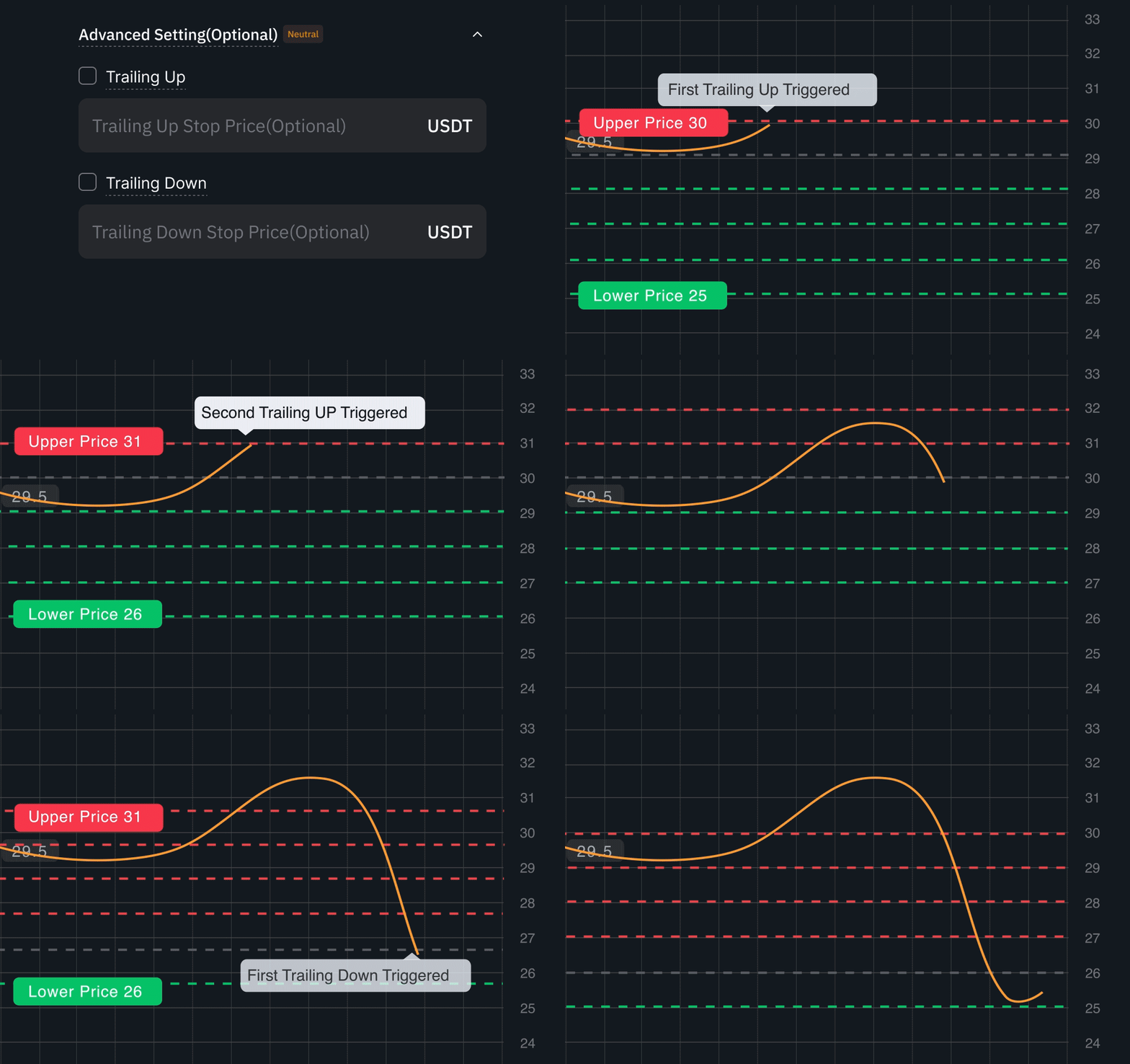
When the market price rises to or above the upper limit, the Trailing Up feature will cancel the lowest buy order and place a new sell order one grid above the previous upper limit. If the price continues to rise, the bot will keep shifting the trading range upward one grid at a time, helping you stay aligned with the market's upward momentum.
Conversely, when the market price falls to or below the lower limit, the Trailing Down feature will cancel the highest sell order and place a new buy order one grid below the previous lower limit. If the price continues to drop, the bot will keep shifting the trading range downward one grid at a time, allowing you to follow the market's downward trend.
Example
Let's walk through the process using an example. All prices are shown in thousands of USDT.
-
Direction: Neutral
-
Mode: Arithmetic
-
Lower limit price: 25
-
Upper limit price: 30
-
Market price: 26.5
-
Number of grids: 5
-
Price interval: 1
-
Trailing Up stop price: 32.5
-
Trailing Down stop price: 23.5
With Trailing Up and Down enabled, the bot automatically adjusts its trading range in real time based on market movements.
|
|
T0 = 26.5 |
T1 [30, 31) |
T2 [31, 32) |
T3 (29, 30] |
T4 (28, 29] |
T5 (26, 27] |
T6 (25, 26] |
|
32 |
|
|
Sell |
Sell |
Sell |
|
|
|
31 |
|
Sell |
Sell |
Sell |
Sell |
| |
|
30 |
Sell |
Buy |
Sell |
Sell |
Sell | ||
|
29 |
Sell |
Buy |
Buy |
Buy |
Sell |
Sell | |
|
28 |
Sell |
Buy |
Buy |
Buy |
Buy |
Sell |
Sell |
|
27 |
Buy |
Buy |
Buy |
Buy |
Sell | ||
|
26 |
Buy |
Buy |
|
|
|
Buy | |
|
25 |
Buy |
|
|
|
|
|
Buy |
-
T0: The bot places buy orders below the market price and sell orders above it, evenly distributed across the price range based on the interval.
-
T1: When the market price reaches or exceeds 30 (the upper limit), the bot will shift the range up by one grid, canceling the lowest buy order at 25 and placing a new sell order at 31 (the previous upper limit + price interval). The new price range is 26‒31.
-
T2: If the price continues to rise past 31 (the upper limit), the bot will shift the range up again, resulting in a new range of 27‒32. In this example, the trading range shifts up twice. Even if the price continues to rise, the bot won't shift the range to 28‒33, because the Trailing Up stop price is set at 32.5.
-
T3 & T4: The bot continues placing sell orders above and buy orders below the market price as usual. Since the price remains within the 27‒32 range, no grid shift occurs.
-
T5: When the market price drops to or below 27 (the lower limit), the bot will shift the range down by one grid, canceling the highest sell order at 32 and placing a new buy order at 26 (previous lower limit − price interval). The new price range is 26‒31.
-
T6: If the price drops further to or below 26 (the lower limit), the bot will shift the range down again, adjusting the range to 25‒30. In this example, the trading range shifts down twice. If the decline continues, the bot will update the range to 24‒29, but it won't shift it further to 23‒28, as the Trailing Down stop price is set at 23.5.
Long mode
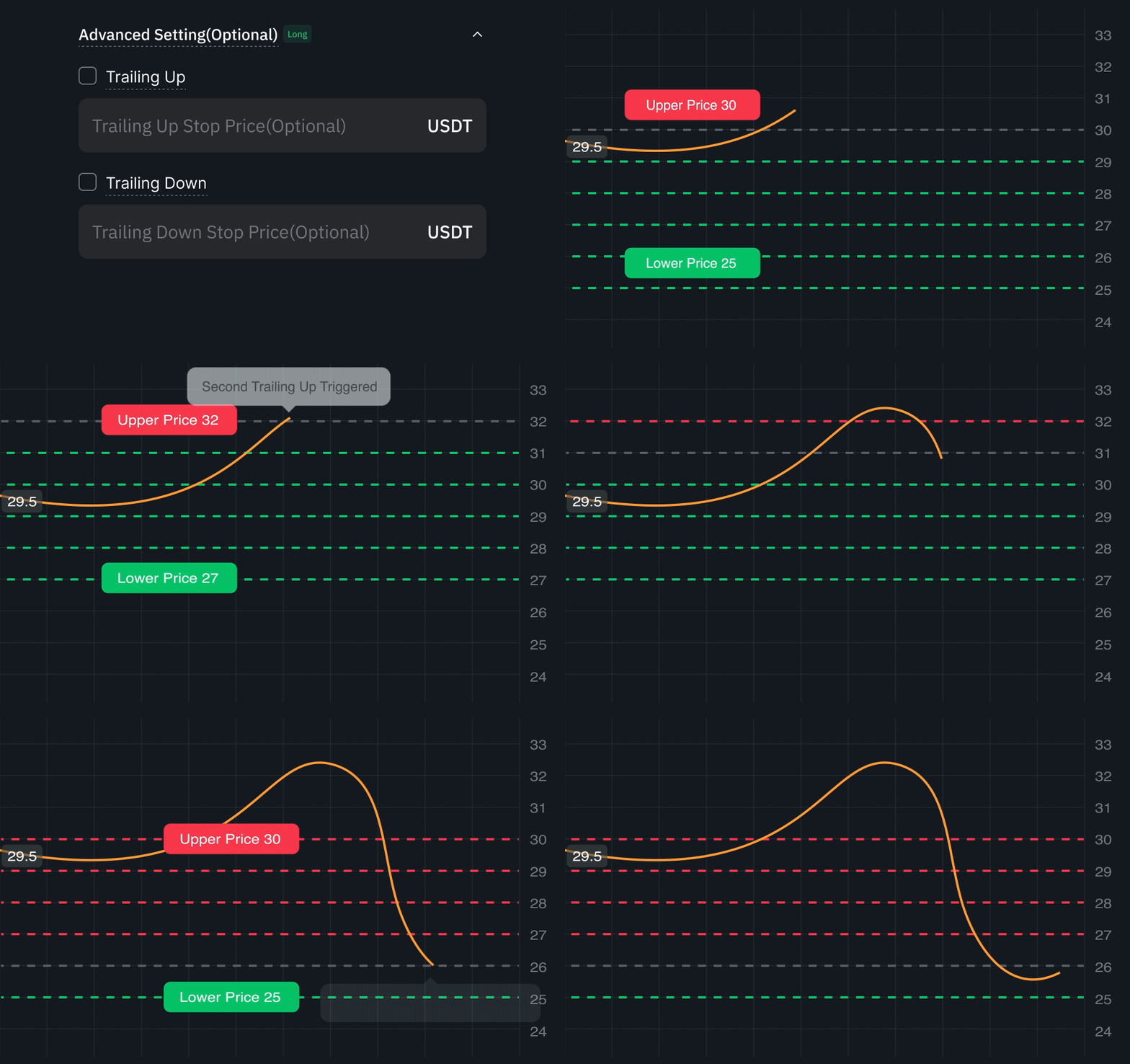
When the market price rises to or above the trigger price — defined as (upper limit + price interval) in Arithmetic mode or upper limit × (1 + percentage interval) in Geometric mode — the Trailing Up feature will shift the trading range upward by canceling the lowest buy order and placing a new buy order at the previous upper limit. If the price continues to rise, the bot will keep shifting the trading range upward one grid at a time, helping you stay aligned with the market's upward momentum.
When the market price falls to or below the lower limit and the lowest buy order is filled, the Trailing Down feature will shift the trading range downward by placing a new buy order one grid below the previous lower limit. The sell order at the previous upper limit won't be canceled, as it serves as a close-only order that doesn't occupy any funds. If the price continues to drop, the bot will keep shifting the trading range downward one grid at a time, allowing you to follow the market's downward trend.
Example
Let's walk through the process using an example. All prices are shown in thousands of USDT.
-
Direction: Long
-
Mode: Arithmetic
-
Lower limit price: 25
-
Upper limit price: 32
-
Market price: 26.5
-
Number of grids: 7
-
Price interval: 1
-
Trailing Up stop price: 35.5
-
Trailing Down stop price: 24.5
With Trailing Up and Down enabled, the bot automatically adjusts its trading range in real time based on market movements.
|
T0 = 26.5 |
T1 [33, 34) |
T2 [34, 35) |
T3 [35, 36) |
T4 (27, 28] |
T5 (26, 27] |
T6 ≥ 34 |
T7 ≥ 35 | |
|
35 | ||||||||
|
34 |
Buy |
Sell |
Buy | |||||
|
33 |
Buy |
Buy |
Sell |
Sell |
Buy |
Buy | ||
|
32 |
Sell |
Buy |
Buy |
Buy |
Sell |
Sell |
Buy |
Buy |
|
31 |
Sell |
Buy |
Buy |
Buy |
Sell |
Sell |
Buy |
Buy |
|
30 |
Sell |
Buy |
Buy |
Buy |
Sell |
Sell |
Buy |
Buy |
|
29 |
Sell |
Buy |
Buy |
Buy |
Sell |
Sell |
Buy |
Buy |
|
28 |
Sell |
Buy |
Buy |
Buy |
Sell |
Buy |
Buy | |
|
27 |
Buy |
Buy |
Buy |
Buy | ||||
|
26 |
Buy |
Buy |
Buy | |||||
|
25 |
Buy |
-
T0: The bot places buy orders below the market price and sell orders above it, evenly distributed across the price range based on the interval.
-
T1: If the price rises to or above 33 (the previous upper limit + price interval), the bot will shift the range upward by one grid. It will cancel the lowest buy order at 25 and place a new buy order at 32 (the previous upper limit). The new range becomes 26–33.
-
T2: When the price rises further to 34 (the previous upper limit + price interval) or higher, the bot shifts the range up again, updating it to 27–34.
-
T3: If the price keeps climbing past 35 (the previous upper limit + price interval), the bot will shift the range up once more, resulting in a new range of 28–35. In this example, the range moves upward three times. Even if the price keeps rising, the bot won't shift the range to 29–36, since the Trailing Up stop price is set at 35.5.
-
T4: When the market price drops to or below 28 (the lower limit), the lowest buy order will be filled. The bot will shift the range downward by one grid and place a new buy order at 27 (previous lower limit − price interval). The new range becomes 27–34. However, the highest sell order at 35 won't be canceled, as it's a close-only order.
-
T5: If the price continues to fall to or below 27 (the lower limit), the bot will shift the range down again, adjusting it to 26–33. In this example, the range shifts downward twice. If the decline continues, the bot will update the range to 25–32 but won't shift further to 24–31, since the Trailing Down stop price is set at 24.5.
-
T6: If the price rises back to or above 34 (the previous upper limit + price interval), the sell order at 34 will be filled. The bot will shift its trading range up by one grid, cancel the lowest buy order at 26, and place a new buy order at 33. The range will then be adjusted to 27–34. The sell order at 35 won't be canceled, as it's a close-only order.
-
T7: If the price rises once more to or above 35 (the previous upper limit + price interval), the sell order at 35 will be filled. The bot will shift its trading range up by one grid, cancel the lowest buy order at 27, and update the range to 28–35.
Short mode
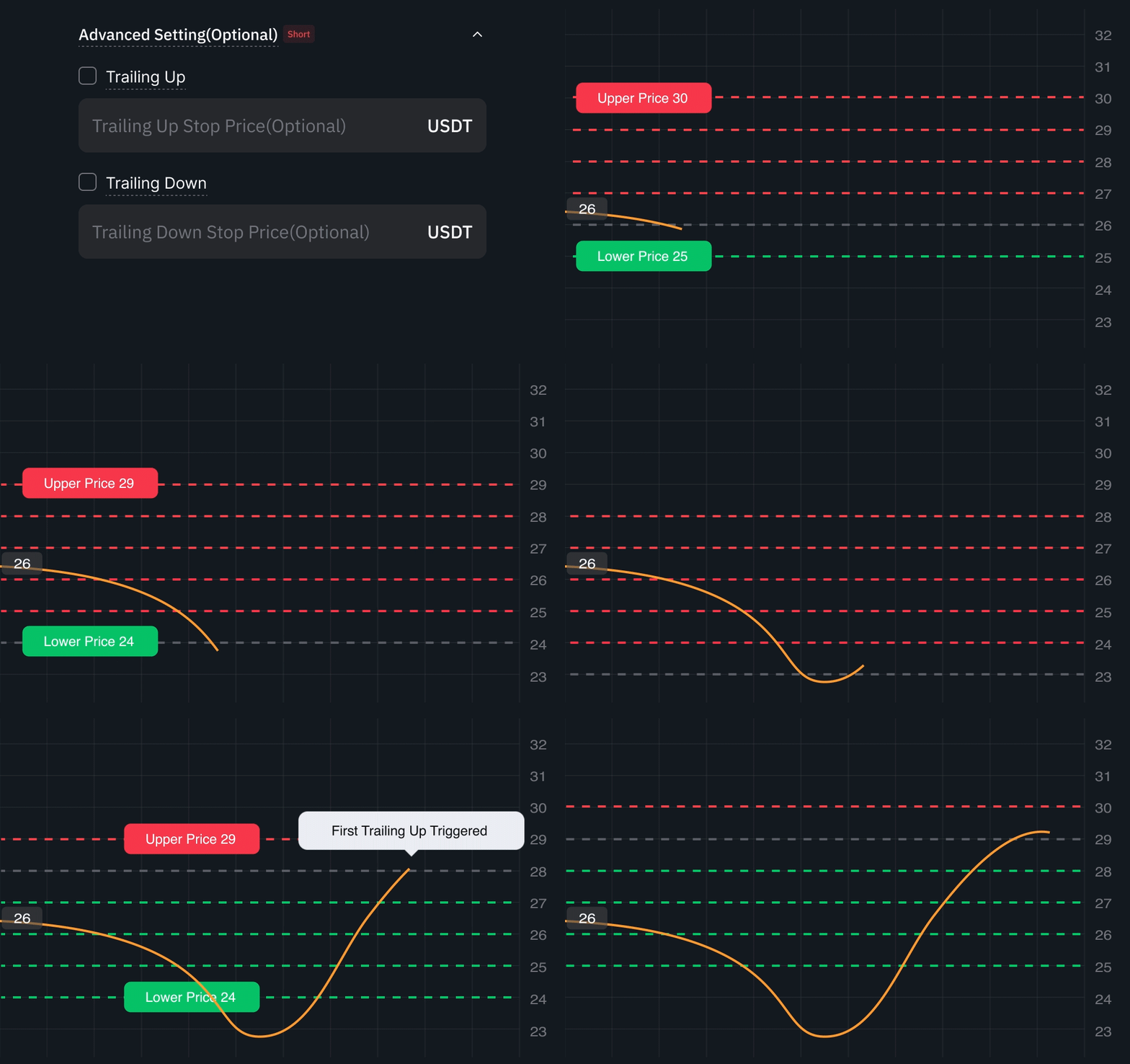
When the market price rises to or above the upper limit and the highest sell order is filled, the Trailing Up feature will shift the trading range upward by placing a new sell order one grid above the previous upper limit. The lowest buy order won't be canceled, as it serves as a close-only order that doesn't occupy any funds. If the price continues to rise, the bot will keep shifting the trading range upward one grid at a time, helping you stay aligned with the market's upward momentum.
When the market price falls to or below the trigger price — defined as (lower limit − price interval) in Arithmetic mode or lower limit ÷ (1 + percentage interval) in Geometric mode — the Trailing Down feature will shift the trading range downward by canceling the highest sell order and placing a new sell order at the previous lower limit. If the price continues to drop, the bot will keep shifting the trading range downward one grid at a time, allowing you to follow the market's downward trend.
Example
Let's walk through the process using an example. All prices are shown in thousands of USDT.
-
Direction: Short
-
Mode: Arithmetic
-
Lower limit price: 23
-
Upper limit price: 30
-
Market price: 26.5
-
Number of grids: 7
-
Price interval: 1
-
Trailing Up stop price: 32.5
-
Trailing Down stop price: 19.5
With Trailing Up and Down enabled, the bot automatically adjusts its trading range in real time based on market movements.
|
T0 = 26.5 |
T1 = 23 |
T2 (21, 22] |
T3 (20, 21] |
T4 (19, 20] |
T5 [27, 28) |
T6 ≥ 28 | |
|
30 |
Sell |
Sell | |||||
|
29 |
Sell |
Sell |
Sell |
Sell | |||
|
28 |
Sell |
Sell |
Sell |
Sell |
Sell | ||
|
27 |
Sell |
Sell |
Sell |
Sell |
Sell |
Buy | |
|
26 |
Sell |
Sell |
Sell |
Sell |
Buy |
Buy | |
|
25 |
Buy |
Sell |
Sell |
Sell |
Sell |
Buy |
Buy |
|
24 |
Buy |
Sell |
Sell |
Sell |
Sell |
Buy |
Buy |
|
23 |
Buy |
Sell |
Sell |
Sell |
Buy |
Buy | |
|
22 |
Sell |
Sell |
Buy |
Buy | |||
|
21 |
Sell |
Buy | |||||
|
20 |
-
T0: The bot places buy orders below the market price and sell orders above it, evenly distributed across the price range based on the interval.
-
T1: When the market price drops to 23 (the lower limit), the lowest buy order is filled, and new sell orders are placed above the market price. The trading range remains 23–30.
-
T2: If the price continues to drop to or below 22 (the previous lower limit − price interval), the bot will shift the range downward by one grid. It will cancel the highest sell order at 30 and place a new sell order at 23 (the previous lower limit). The new range becomes 22–29.
-
T3: When the price drops further to 21 (the previous lower limit − price interval) or below, the bot shifts the range down again, updating it to 21–28.
-
T4: If the price continues to fall to 20 (the previous lower limit − price interval), the bot will shift the range down once more, resulting in a new range of 20–27. In this example, the range moves downward three times. Even if the price keeps falling, the bot won't shift the range to 19–26, since the Trailing Down stop price is set at 19.5.
-
T5: When the market price rises to or above 27 (the upper limit), the highest sell order will be filled. The bot will shift the range upward by one grid and place a new sell order at 28 (the previous upper limit + price interval). The new range becomes 21–28. The lowest buy order at 20 won't be canceled, as it's a close-only order.
-
T6: If the market price continues to rise to or above 28 (the upper limit), the bot will shift the range up again, adjusting it to 22–29. The buy orders at 21 and 20 won't be canceled, as they are close-only orders. In this example, the range shifts upward twice. If the price keeps rising, the bot will update the range to 25–32 at most but won't shift further to 26–33, since the Trailing Up stop price is set at 32.5.
Notes:
— The Trailing Up/Down feature is now available for Futures Grid Bot in Neutral, Long and Short directions.
— The bot won't shift the trading range up if doing so would push the new upper limit above your set Trailing Up stop price. Similarly, it won't shift the range down if the new lower limit would fall below your Trailing Down stop price.
— Using the Trailing Up/Down feature in strongly one-sided markets may increase your exposure to risk. For better risk management, we recommend using it together with the Trailing Stop feature.
Dynamic Order Mechanism
With Bybit Futures Grid Bot, each grid maintains the same contract size in the base asset (e.g., BTC in a BTCUSDT trading pair), regardless of the price. For example, the bot will open a long or short position of 1 BTC at each grid level, whether the price is $30,000 or $35,000. As the price moves, the position value of each grid changes accordingly.
If there aren't enough funds to place new orders during a trailing up or down adjustment, the bot will cancel one or more orders placed at prices farthest from the current market price until sufficient funds are available. This is known as the dynamic order mechanism. It helps improve capital efficiency by freeing up funds from less effective orders as the market changes. As a result, the number of grids may vary — it can be equal to or fewer than the original grid count.