Mugiwara
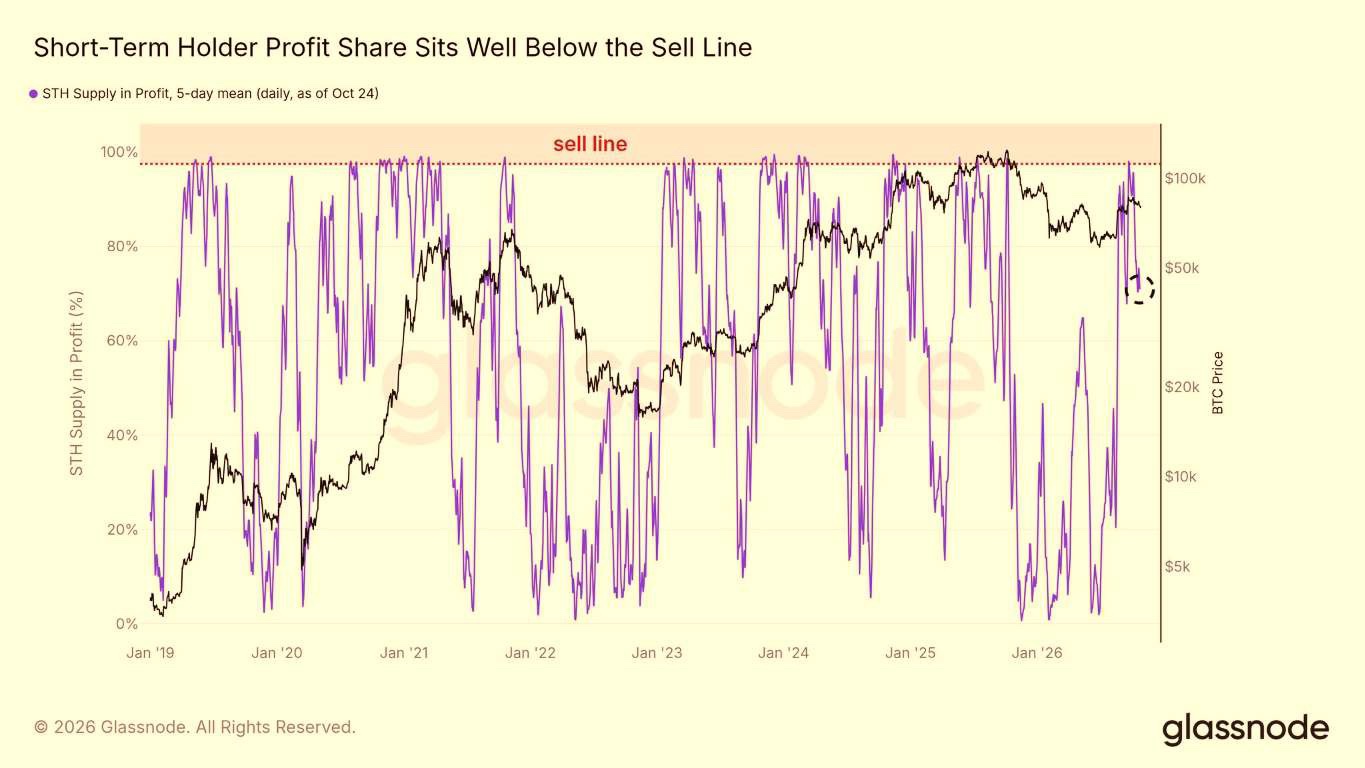
Glassnode data shows Bitcoin's Short-Term Holder (STH) supply in profit is still sitting below the 100% sell-line threshold 📈 What this tells us: • Market hasn't hit extreme profitability yet. • Heavy profit-taking pressure hasn't kicked in. • Historically, room remains before reaching the overheat zone. Watching STH profitability closely as price evolves. Still potential upside before retail sell-offs spike. 📊 #IMPACTbyTrade #Bitcoin #BTC $BTCUSDT
While the "elite" chains were busy arguing about complex scaling theories and philosophical decentralization, $TRX was quietly building a global empire $TRX is no longer just the "Justin Sun chain”, it’s the actual backbone of the digital economy If you’re looking for where the real money moves, you aren't looking at a tech experience, you’re looking at Tron In 2026, Tron is the undisputed king of USDT. Over 55% of all Tether in circulation lives here. Why? Because it’s fast, and it doesn't cost a week’s rent to send a transaction. While Ethereum users were getting "gas-trapped," Tron became the default choice for global remittances and retail payments. It’s the "people’s rail" for everyone from street vendors in Southeast Asia to hedge funds in the UAE. Justin Sun has mastered the art of the pivot. In 2025, it was the SunPump meme frenzy that kept the network buzzing. In 2026, the focus has shifted to AI-native finance. Tron’s success comes down to three things: * The Fee Advantage: Even with network upgrades, sending $TRX remains pennies compared to the competition. * Deflationary Math: Through massive buybacks from JustLend and organic burn rates, the $TRX supply is actually shrinking while utility grows. * Real Adoption: With over 200 million unique addresses, it’s not just a "ghost chain" for whales; it’s a living, breathing ecosystem $TRX isn't trying to be a fancy computer, it’s trying to be Global Money In a world of "over-engineered" solutions, Tron’s simplicity is its greatest strength $TRXUSDT

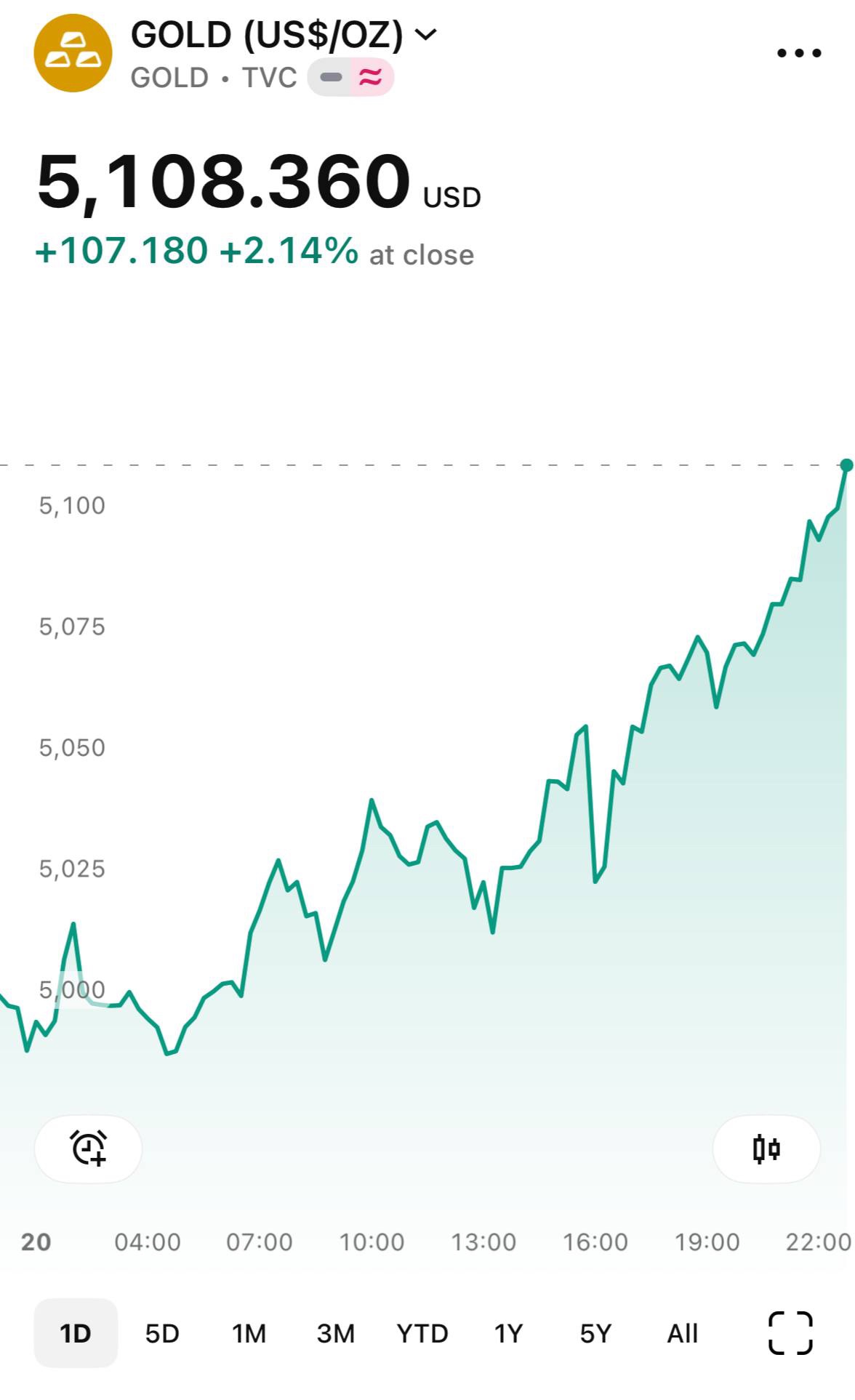
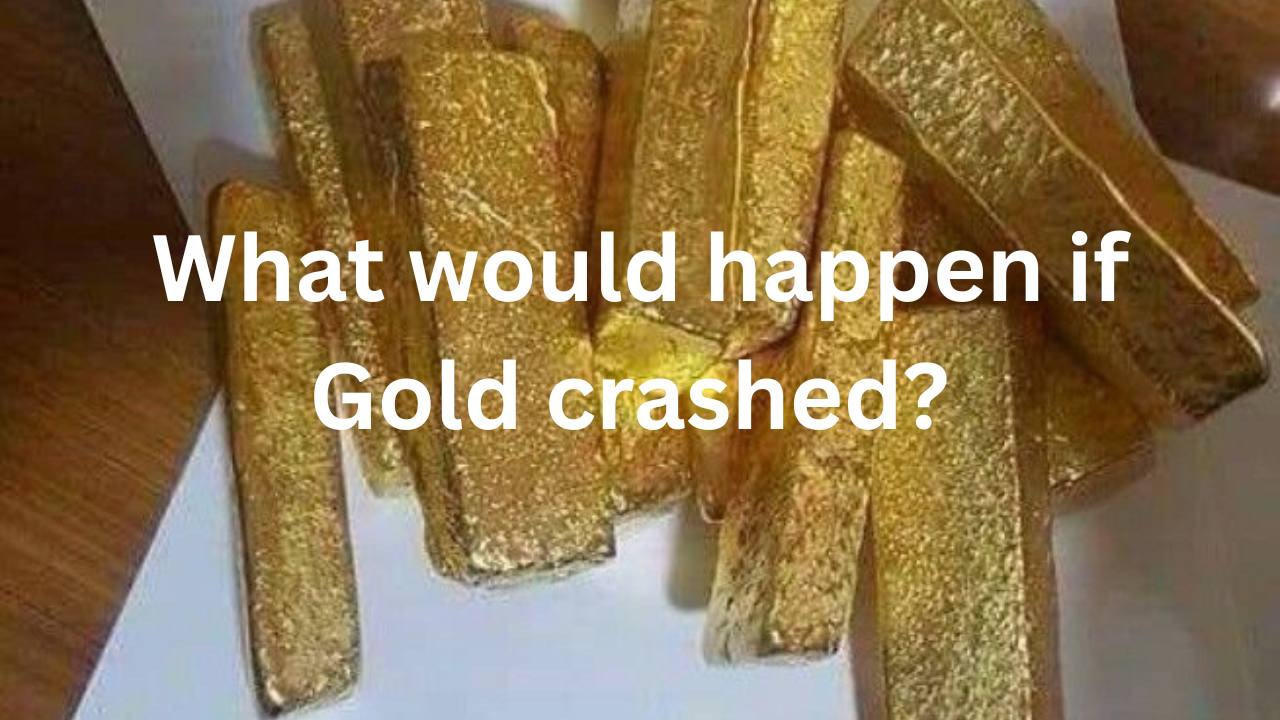
Have you ever wondered what would happen if Gold crashed ? If Gold, the 5,000-year-old "Safe Haven" crashed today, it would be a financial extinction event for the entire market Gold is the ultimate anchor for institutional portfolios. First, expect a Liquidity Death Spiral. When Gold drops 10% in a day, big banks and hedge funds face massive margin calls. They don’t sell their bad assets to cover; they sell what’s liquid. That means Bitcoin, Ethereum, and Nvidia stocks would likely bleed first as the "big boys" scramble for cash It’s actually ironic how both pumps and dumps make the crypto market suffer But then comes the Narrative Shift. In 2026, the debate is no longer about "if" Bitcoin replaces Gold, but "when." If Gold crashes because of a strong dollar, everything suffers. But if it crashes because it’s becoming "obsolete tech," we’ll witness the greatest capital rotation in human history. Bitcoin becomes the Default Store of Value Initially, $BTC would drop in sympathy. But the recovery would be legendary A Gold crash is a nightmare for your grandfather, but it’s the final green light for the digital age So if I were you, I’d be hoping for a Gold crash. Even though the pain would be crazy asf, it would be a temporary fix in no time The rest they say, would be history after that
"Bitcoin is going to zero" is the ghost story that refuses to die and now it’s going to be more present than ever But the math tells a very different story Let’s be clear for BTC to hit $0.00, demand must hit zero With nations now holding it as a reserve asset and pension funds finally treating it as a standard portfolio slice, there is a literal "Wall of Money" acting as a permanent floor. To break that floor, you’d need a total Extinction Event: a critical break in SHA-256 encryption (quantum doom?) or a permanent, global internet blackout The Lindy Effect is Bitcoin’s greatest weapon. The longer it survives, the more trust it earns. In 2026, Bitcoin is a trillion-dollar insurance policy against failing government currencies. Could it drop 80%? History says yes. But zero? That would mean the total collapse of digital trust. So clearly impossible. If Bitcoin dies, your digital bank account and credit cards are likely already on fire anyway. It’s no longer just a "coin"; it’s a global, decentralized network that has outlived every "death" predicted by the media To bet on zero is to bet against the most secure computer network in history $BTCUSDT


Which Crypto Hits $100B in 2026? $SOL VS $TRX There are two Layer-1 networks that are structurally positioned to potentially run to a $100B market cap: $SOL and $TRX. Yet the way of both seems dissimilar. $SOL sits around $49B. Price would have to increase to increase price to reach $100B (to a price of 175, which is an increase of about $86). Key catalysts include: The Alpenglow upgrade to consensus. Expansion in stablecoin micropayment. Continuous infrastructure development. Other banks such as Standard Chartered have even floated increased long term targets. But technically, there is structure preceding. SOL needs to support the zone of about 80 before it can plunge deeper to the downside before any macro rotation occurs. $TRX holds near $27B. Price would have to get to around $1.06 (out of around 0.28) in order to reach 100B. Its drivers are different: Preeminence in TRC-20 transfers in the USDT Expanding TVL Increasing staking activity Treasury hoarding at the 0.27 zone A prolonged action above 0.30 would indicate that the momentum is changing more. Each of the two outcomes is not guaranteed. Both networks are active in reality and quantifiable catalysts, not merely narrative. The actual variable is not the mathematics behind the targets. Whether liquidity makes any sense to rotate back into Layer-1 infrastructure in 2026. if fresh capital flows back into the market, which chain captures it first $SOL or $TRX? $SOLUSDT $TRXUSDT
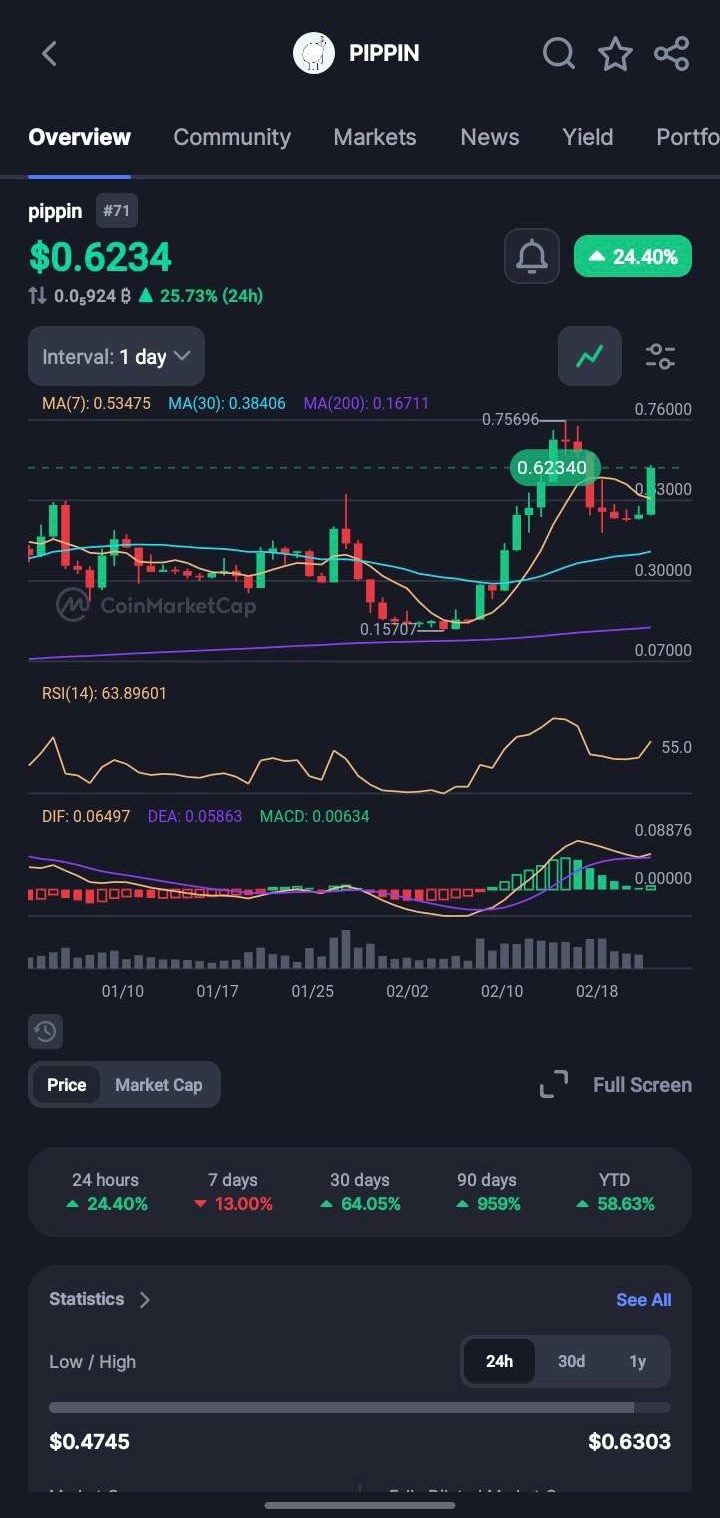
New All-Time Highs & Whale Interest: PIPPIN hit a new all-time high of $0.767 on February 15, 2026. The structure is solid after a post-cooling off but the market cap is still greater than 590M and on-chain data indicates further whale accumulation. Such positioning is an indication that there is no decline in confidence even though there could be volatility in the short term. The only difference between $PIPPIN and the usual meme cycle is its narrative advantage. The connection with the inventor of BabyAGI, Yohei Nakajima, provides the project with an angle of AI utility, as opposed to outlandish speculation. That difference has served to maintain a higher social sentiment in a vastly focused AI market than most other Solana-based projects. does the longrun accumulation and narrative strength become one leg higher or does hype cool before the fundamentals see the light of day?
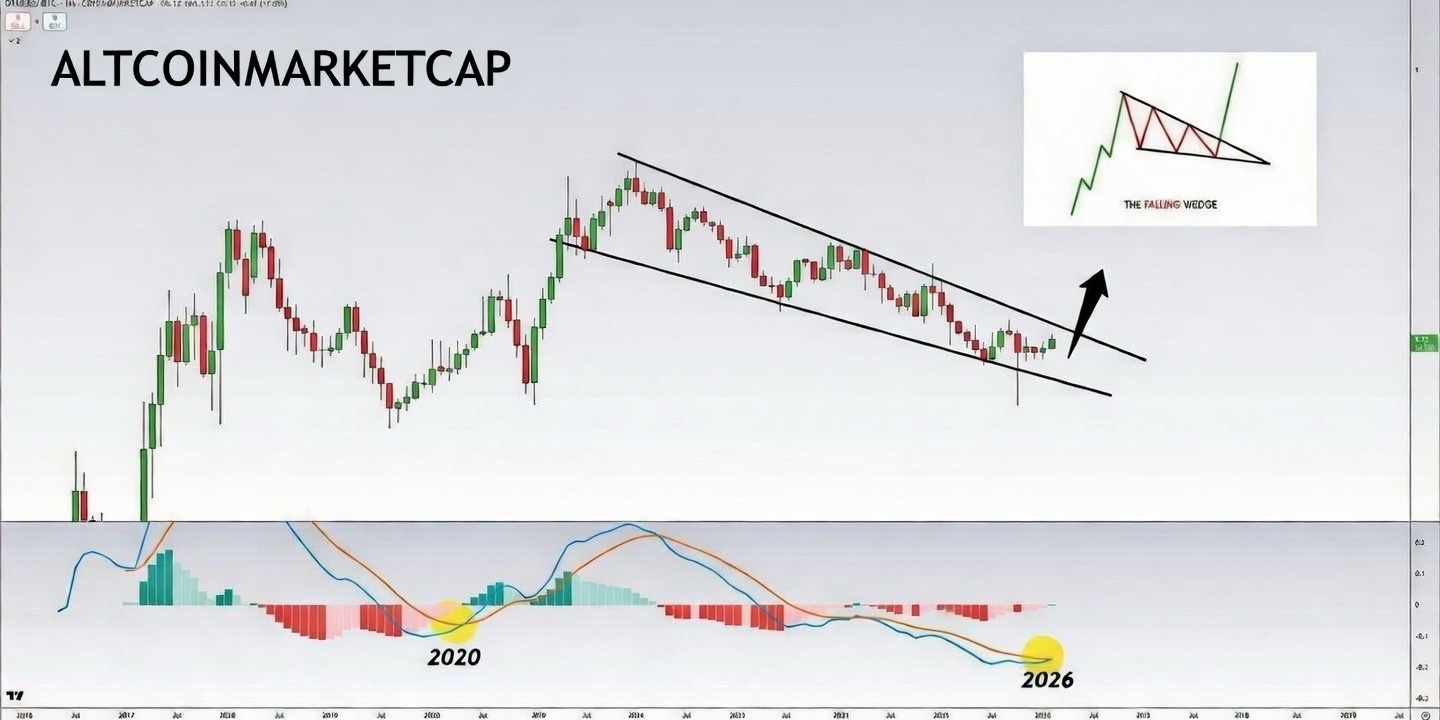
#Altcoins It finally happened. OTHERS/BTC has broken bullish on the monthly MACD and this is what many altcoin traders have been waiting to see. The last time this crossover occurred was in 2020, just before altcoins began to significantly outperform $BTC and the 2021 altseason unfolded. Naturally, a single indicator does not ensure the repetition of history. However, even on longer time frames, such changes in momentum are likely to count, particularly when they are consistent with the better organization and rotation out of Bitcoin control. Is it the first seed of another great altcoin season or the first indication before actual confirmation comes?
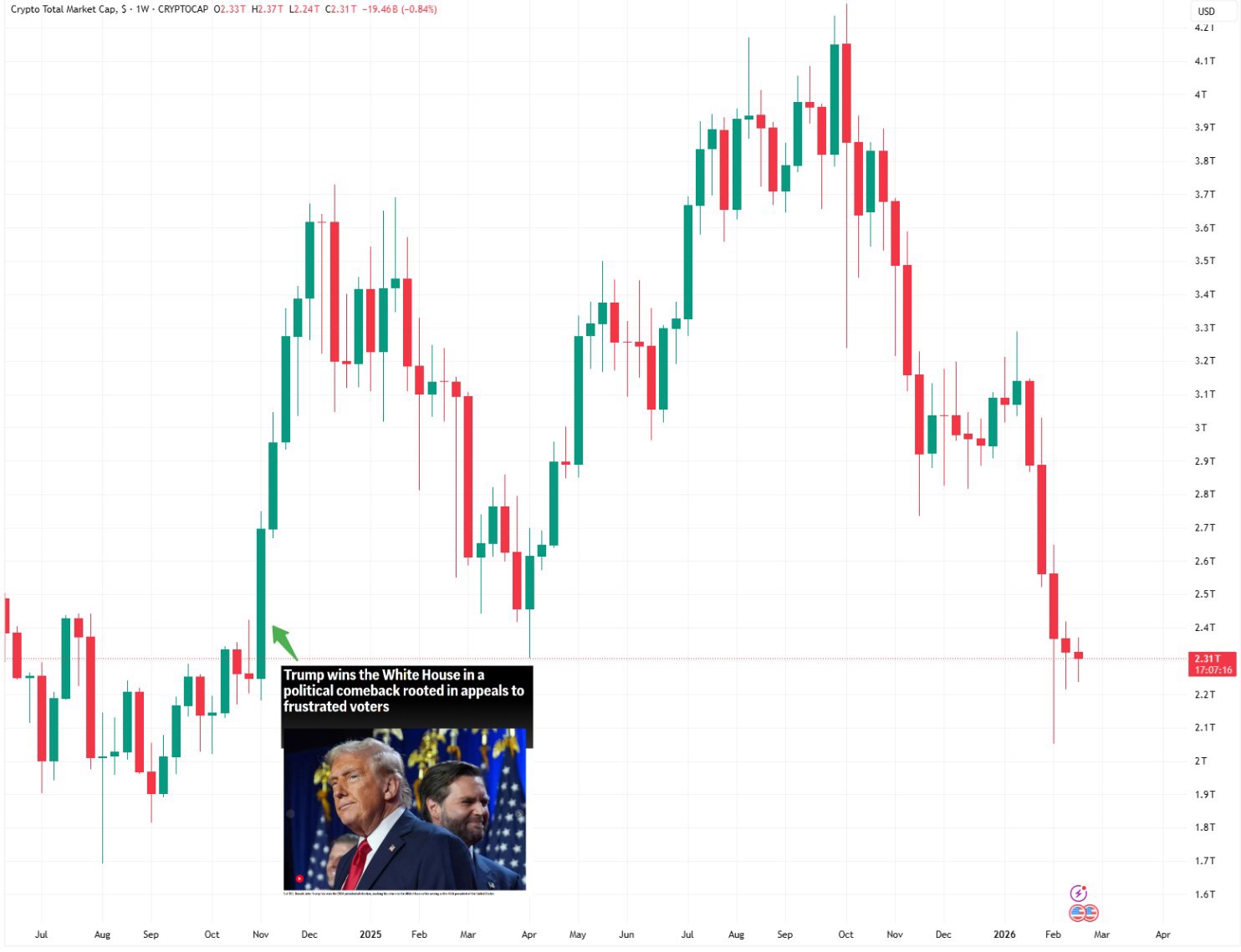
Crypto Sell-Off Wipes out the post-election Rally Worth $2 Trillion. The profits, which came with the electoral victory of Donald Trump in the presidency, are completely wiped out. The overall crypto market since the October peak has lost about 2 trillion dollars in value a full round trip of the post election boom. What then appeared to be a robust policy-based breakout has become a macro shock. The relocation underscores the swift reversal in sentiment, which is achievable through liquidity constraint and the crowding in of positions. Is this just a brutal but necessary reset before the next leg up or a signal that the broader cycle is shifting?
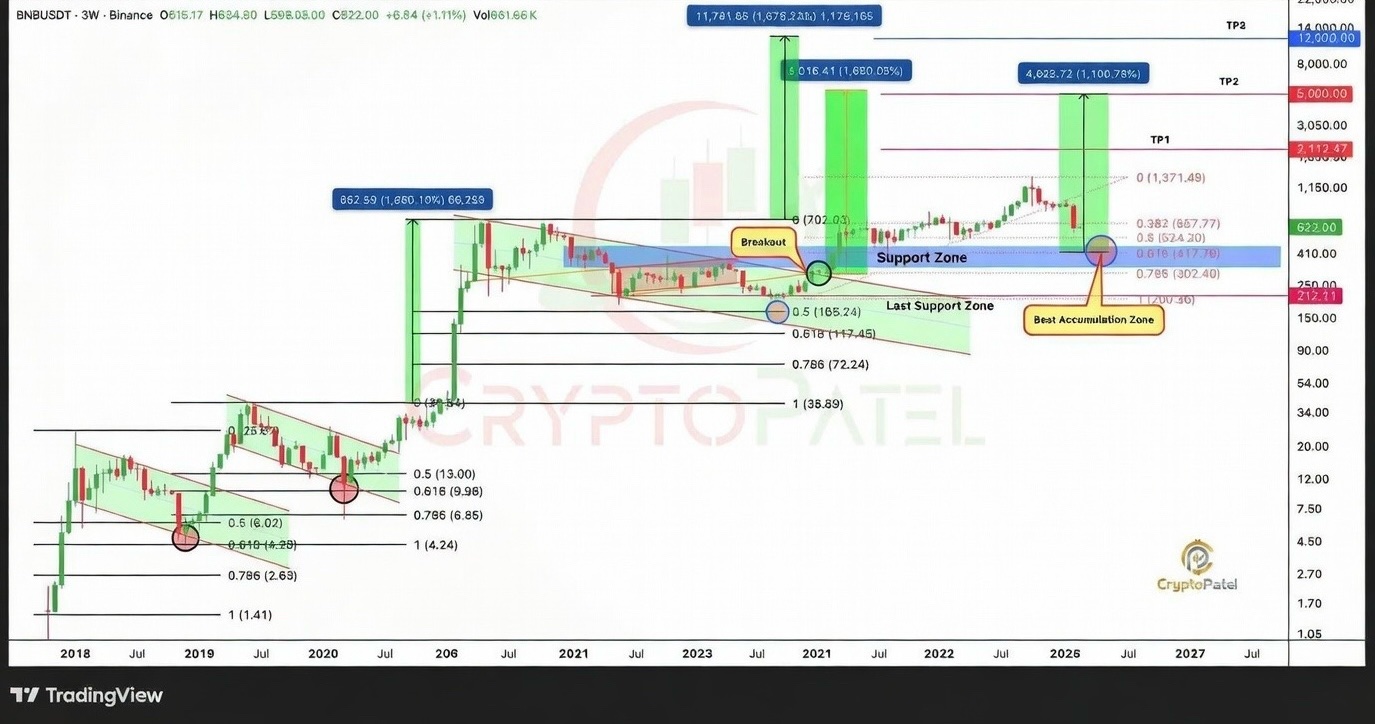
BNB is forming an extended bull flag breakout with some analysts postulating an ultimate high of 5,000 in case proceeds. The big pullbacks were traditionally reset phases, shaking off weak hands and the patient capital is building up. The volatility can be uncomfortable at the time, however, structurally, when the moment is over, strong trends normally revert to their course as momentum is restored. With that said, confirmation is important.The ability to sustain power, increase in volume and expansion of market will be important in any long term move. Those who remain disciplined have chances to exploit big crashes. are you in a position to plan or are you sitting back to run after the momentum is detected? $BNBUSDT
CryptoBull2020 is predicting that there will be a possible $9 upside move in the price of $XRP, with new all-time highs coming as the market develops momentum around the Ripple ecosystem. It is a high target goal and would need a well-built structural sustenance, long-term liquidity, and wider market alignment. Not only would XRP require narrative strength, but actual capital rotation and a steady demand to warrant such expansion. Is this the initial phase of an important cycle move by $XRP or yet another forecast outrunning price structure? Do you consider $9 in this run realistic?
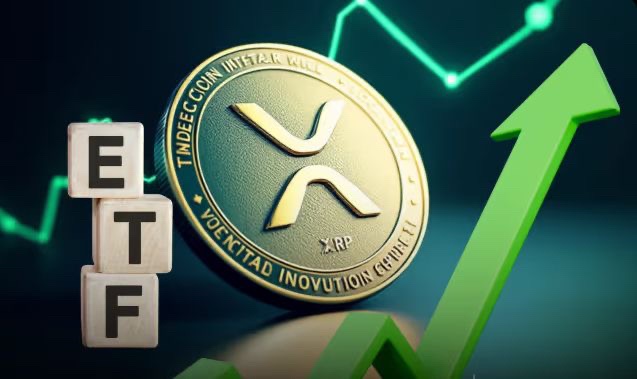
Are the banks finally in control of our crypto? We spent years talking about "institutional adoption," but now it’s actually here. The big banks didn’t come with pitchforks; they came with ETFs The result is Bitcoin ($BTC) and Ethereum ($ETH) aren't just "internet money" anymore. They are now part of the same portfolios as gold and tech stocks But is this big money actually helping us, or is it just changing the game? What is an ETF? ETF (Exchange-Traded Fund) is like a bridge. Before ETFs, if a regular person wanted to buy Bitcoin, they had to set up a digital wallet, remember a 24-word "seed phrase," and pray they didn't get hacked. An ETF lets people buy crypto through their normal bank account just like buying a share of Apple or Amazon. For the big banks, Bitcoin is a safety net. When the dollar looks weak, they pour money into the Bitcoin ETF. This has made much more "stable." It doesn't jump 20% in a day like it used to, but it also doesn't crash as hard. It’s growing up. The Ethereum ETF is a bit different. Investors see $ETH as a bet on the "internet of the future." Flows into $ETH are usually tied to how well the tech industry is doing. When people feel lucky about new apps and AI, the $ETH flows turn green Yet they’re both ass rn While the price going up is great, there is a "crazy truth" to all of this. The more money that flows into ETFs, the more control Wall Street has If three or four giant companies own most of the Bitcoin, does it still belong to the people? We wanted the big money to arrive, but now that they’re here, they are the ones driving the bus $BTCUSDT $ETHUSDT

2026 Crypto Reality Buy strong projects when they dip. Trim positions when hype turns euphoric. Don’t chase vertical pumps. Don’t panic into red candles. Take profits along the way. Keep liquidity on hand. Stay patient. In this market, survival is the edge and disciplined positioning is how you win over time
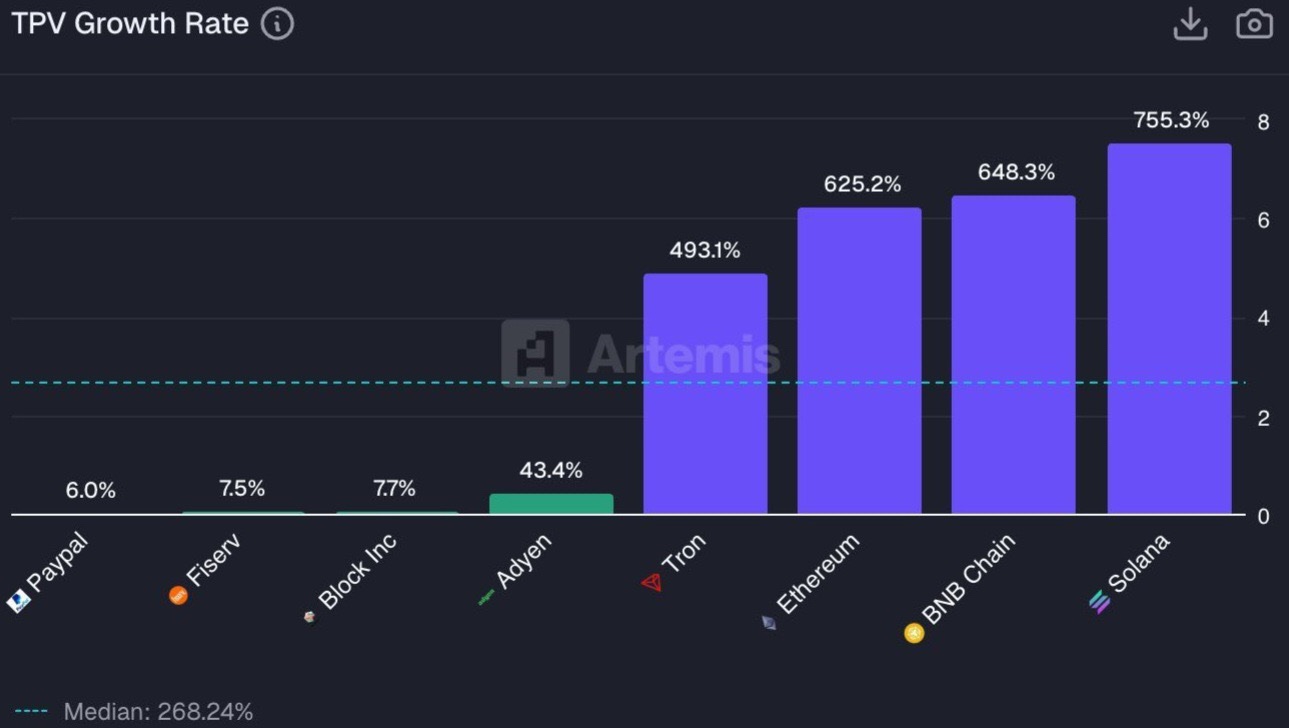
$SOL is rapidly emerging as one of the most active networks for real-world payments Over the past several months, transfers and on-chain payment transactions have increased at a rate that is rapid on Solana compared to most of the major blockchains. The growth rate is an indication that it is no longer pure speculation that users and applications are extending their use of the network to daily value transfers. When this momentum persists, SOL may continue to establish itself as a chain of choice to carry out its high-speed, low-cost transaction not only trading. $SOLUSDT
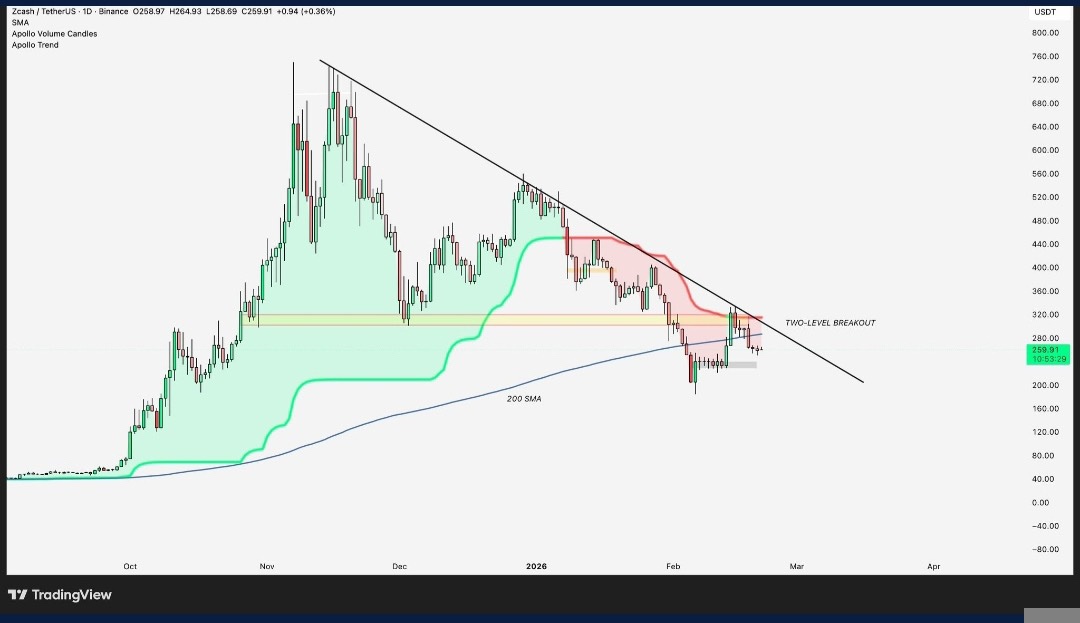
$ZEC is at a make-or-break zone A clean break above $320 would clear the descending trendline + resistance for a solid long setup (tight stop just below). However, if the breakout fails and price can’t hold that zone, a pullback toward the $200–$230 range becomes a realistic scenario before any meaningful continuation. For now, momentum likely cools until proper consolidation forms especially with price still under the 200 SMA. Will $320 flip into strong support and trigger continuation or is another deeper reset coming first?
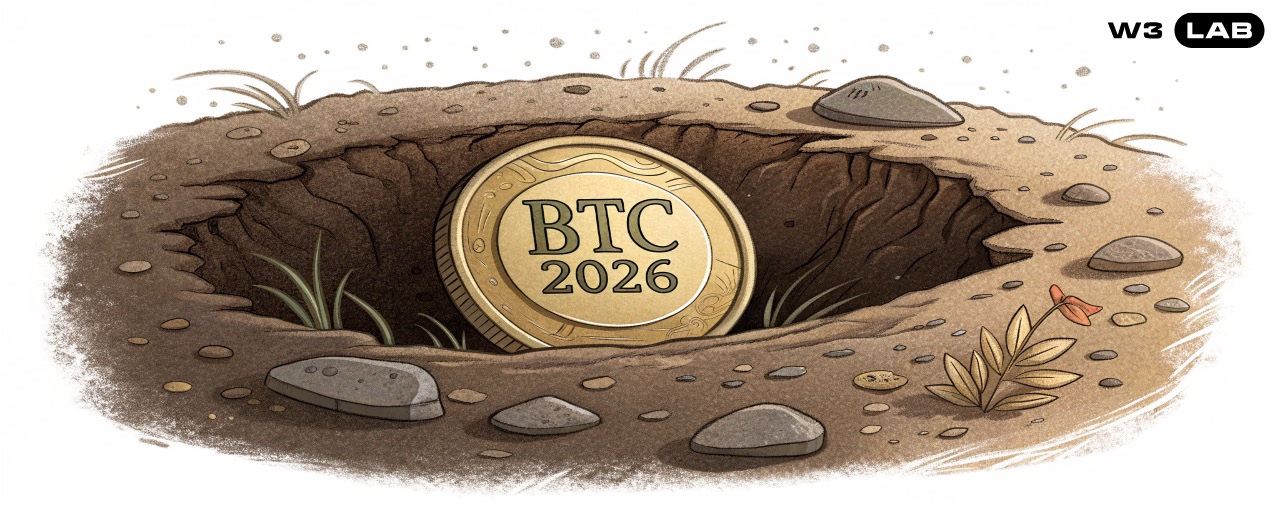
The worst beginning of the year in the history of Bitcoin? Bitcoin is off to one of its worst start in decades despite the institutional interest rating being higher than ever and a more favorable disposition of the new U.S. administration towards the cryptocurrency. The disjuncture between positive long-term stories and a short-term price action is proving difficult to overlook. Although structural adoption proceeds, market forces, particularly liquidity and positioning are evidently putting momentum on. Is this merely a gradual and bumpy start and then a burst later in the cycle, or a preliminary indication that this year will not be as many had predicted?
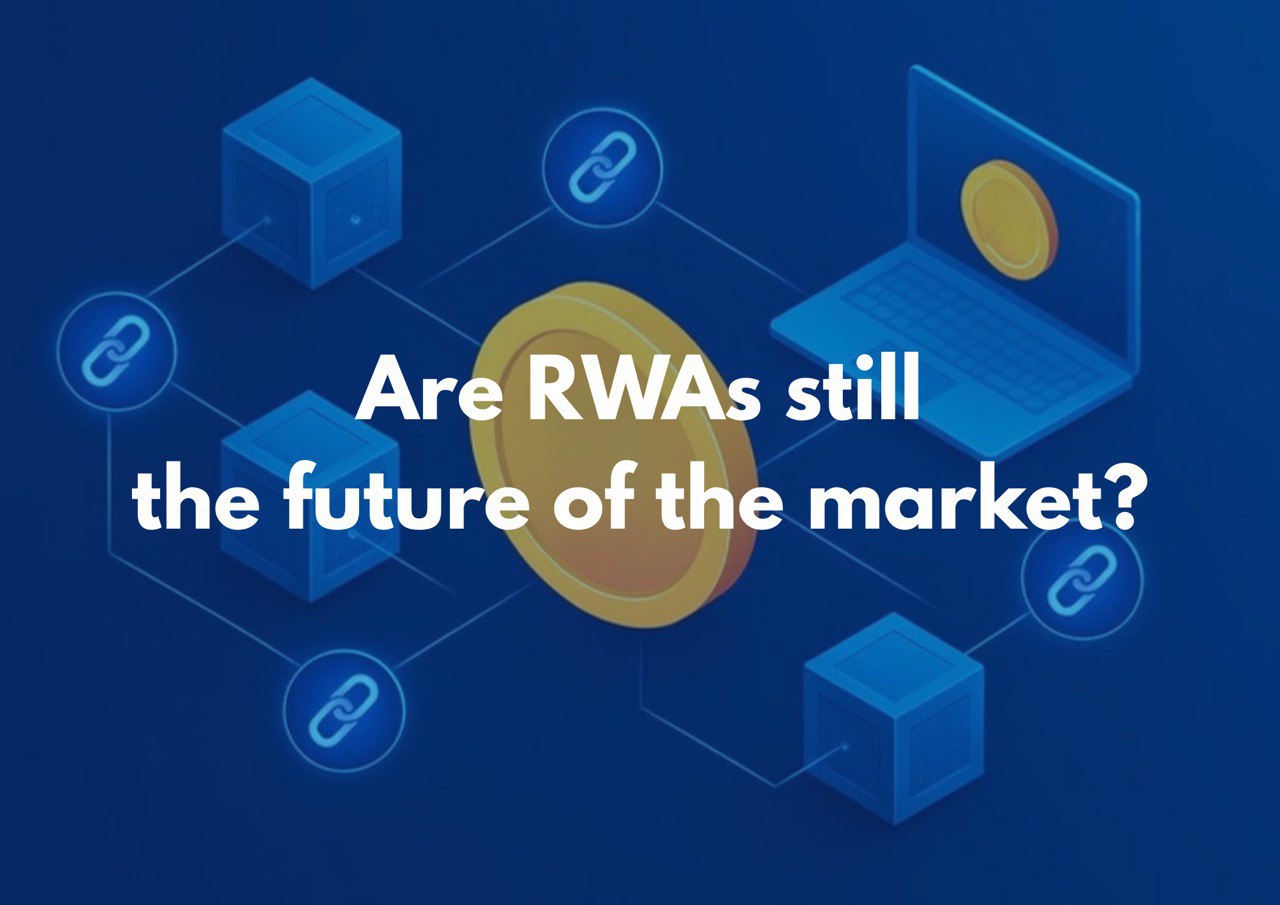
Whatever happened to the grand promise of Real-World Assets (RWAs) being "the future of the market"? 2025 was an absolute fever dream of a year. The market managed to hit its most euphoric peaks and its most devastating troughs almost simultaneously Amidst the chaos, we saw some of the wildest narratives take flight, with investors convinced that every new trend was "the one" to change everything It started with the AI gold rush, pivoted into the meme coin frenzy, but throughout it all, the most intriguing and perhaps most surprising contender was the rise of RWAs What exactly are RWAs? For the newcomers in the back, RWAs (Real-World Assets) are essentially everyday physical or financial assets that have been "tokenized." Imagine you have an apartment for sale. Instead of the traditional, slow-moving real estate process, you could tokenize that property, bringing it onto the blockchain for a seamless, high-efficiency exchange. While that’s the simplest way to look at it, the rabbit hole goes much deeper. RWAs represent the bridge between physical or traditional finance (TradFi) and the digital ledger. Through tokenization, we create digital versions of gold, oil, bonds, equities, fine art, or even intellectual property. How the Magic Happens Bringing the physical world onto the blockchain isn't just a "copy-paste" job. It follows a rigorous technical structure: * Asset Selection & Valuation: Identifying the asset and conducting professional audits to ensure its digital price tag matches its physical value. * Legal Framework: Establishing entities like Special Purpose Vehicles (SPVs) or trusts to stay compliant with securities laws and KYC/AML regulations. * Token Creation: Utilizing standards like ERC-20 (for fungible assets like gold) or ERC-721 (for unique assets like art) to digitize the item via smart contracts. * Issuance & Minting: Deploying the contracts and linking the tokens to the physical asset through secure, third-party custodians. * Ongoing Management: Integrating Oracles for real-time price feeds and managing dividends, trading, or redemptions. So, What Happened to the Hype? If the tech is so solid, why did the buzz die down? The first and most obvious culprit is the volatile shift in market focus. Investors have the attention span of a goldfish, and when Bitcoin started swinging violently, the collective gaze shifted. The market turned red, and the crowd ditched "boring" utility for the flashy allure of meme coins and the resurgence of Privacy Coins. Beyond the short-term distractions, there is a harsher reality: infrastructure is hard. Establishing RWAs is a monumental task plagued by regulatory hurdles and structural friction. We are currently battling fragmented settlement systems, conflicting international jurisdictions, and "custodian silos" that make scalability feel like an uphill climb. Even established businesses are finding the barrier to entry significantly higher than expected But in all of this, the crazy truth is that the underlying value hasn't actually gone away; it's just maturing in the shadows

THIS is the reason why your crypto bags are dumping. It's not quantum FUD. The Fed is not the only one that is hawkish. Liquidity is the larger driver currently. In the last one month, the U.S. Treasury has been aggressively replenishing its TGA (Treasury General Account), at the expense of the system of almost $150B. Liquidity being removed out of the economy is also experienced by the risk assets and crypto is among the first that tensions can be felt in. Add that to a decelerating macro background and you have macro-wide risk-on performance. Crypto is not the only one, a few Mag7 stocks are at least down 20 plus in 2026. Then does that imply that the dump is still there? Not necessarily. The TGA balance itself is already pegged at around $922B, historically it is a ceiling since the post-2020 period of the pandemic. As soon as Treasury is no longer on rebuilding but spending it becomes liquid again. Take an increase in projected tax refund of about 150B in the hands of investors by March and you have a possible relief rally Are we near peak liquidity drain or is there more pressure ahead before the tide turns?

ETF FLOWS UPDATE (Feb. 19) Capital rotated today. Whereas the net outflows in the spot ETFs were registered in $BTC and $ETH, the spot ETFs of $SOL and $XRP registered new inflows. * $BTC: -$165.8M * $ETH: -$130.1M * $SOL: +$5.94M * $XRP: +$4.05M This deviation indicates that there is a change in positioning in the long run. Risk-off in crypto is being selective, rather than widespread, as capital is being rotated into other major currencies as Bitcoin and Ethereum experience the pressure of profit-taking. Is this the first phase of rotation into higher-beta plays, or is it only a flow noise until BTC and ETH regain momentum?


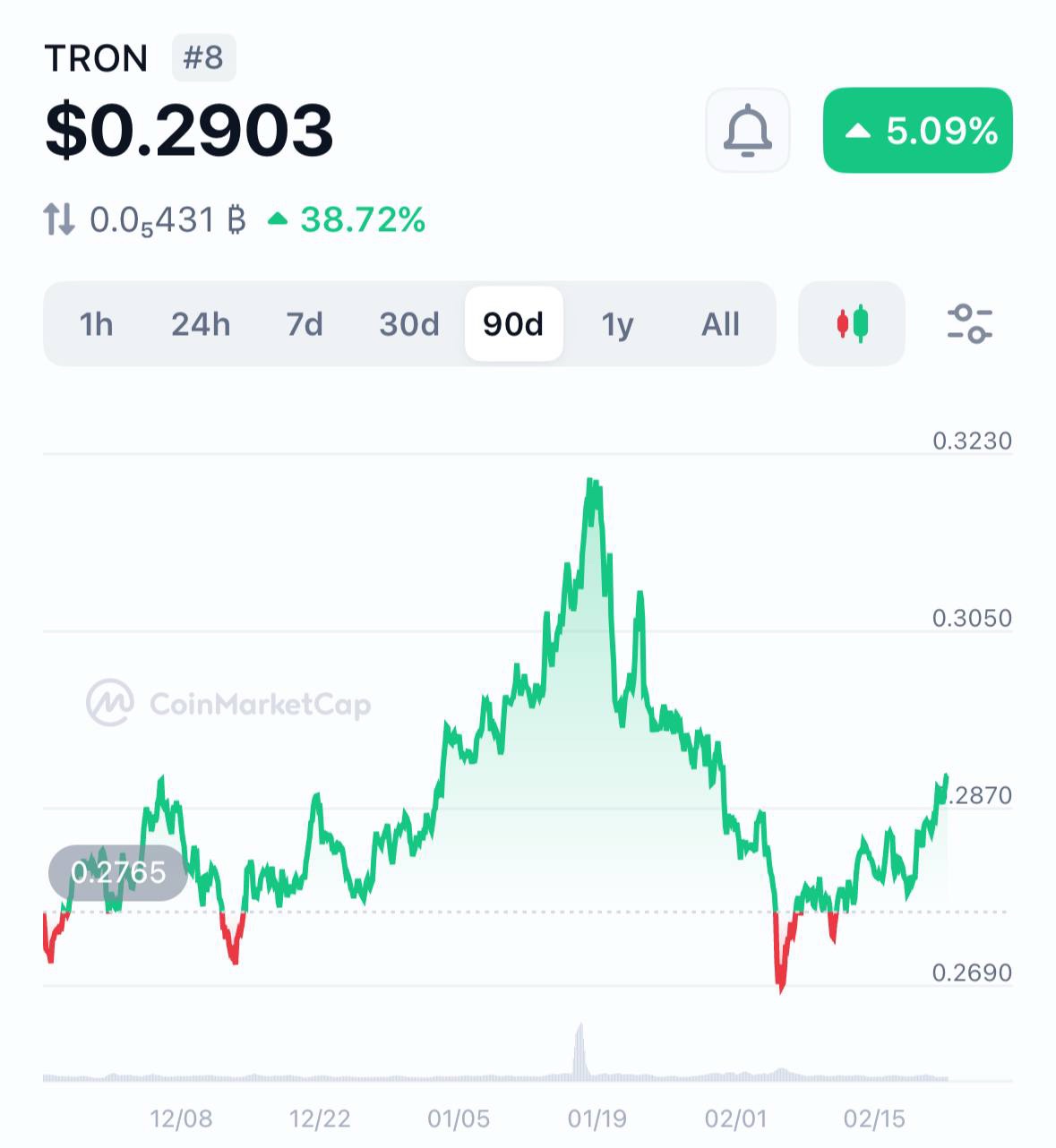
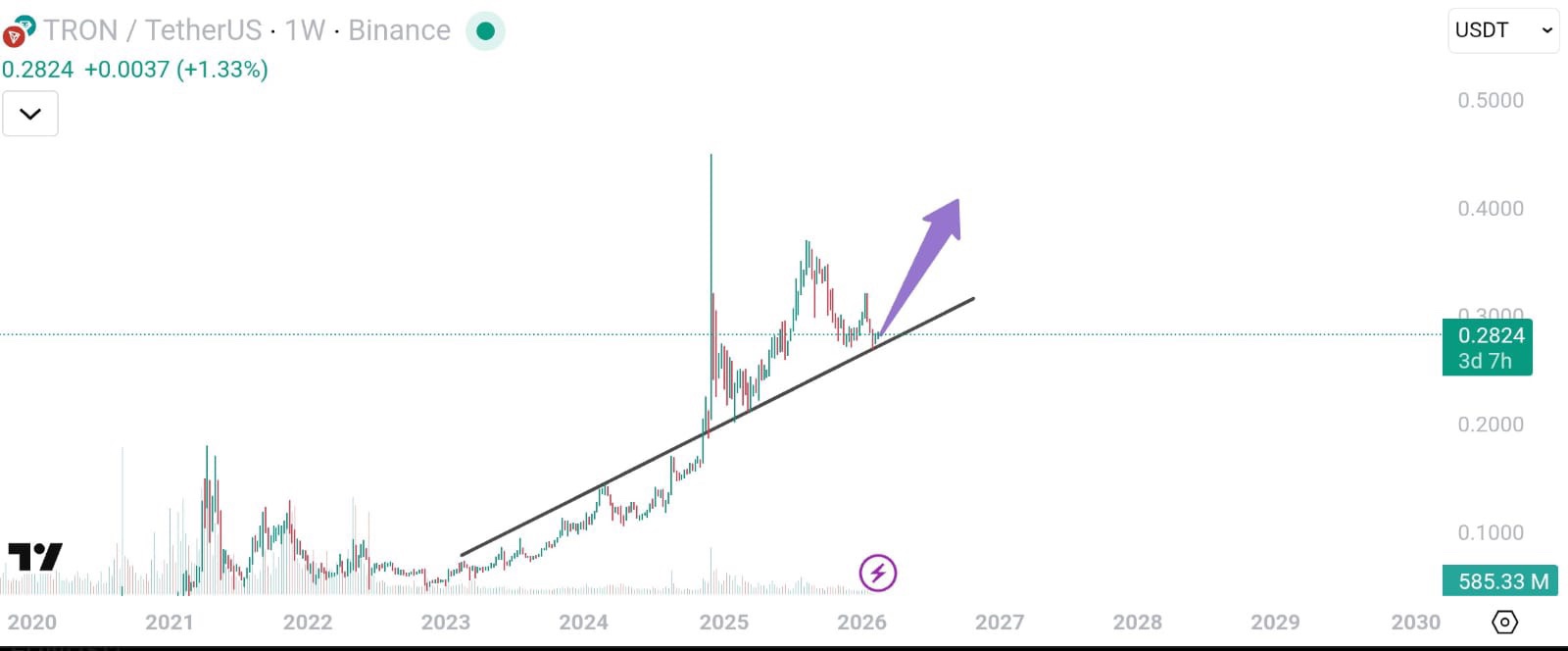
$TRX is starting to break out, currently trading around 0.28 and pushing into a key expansion phase. Momentum is clearly building, and if buyers maintain control, the next major level to watch sits near 0.35. Volume is picking up and structure is improving, which suggests this move isn’t just a quick spike but potentially the start of a broader continuation. Whether TRX can sustain this strength and turn 0.28 into support or if this breakout needs a pullback before the next leg higher is what will determine the durability of this move and whether 0.35 becomes a realistic short-term target. Will buyers step in to defend the breakout, or are we about to see a retest before continuation? $TRXUSDT
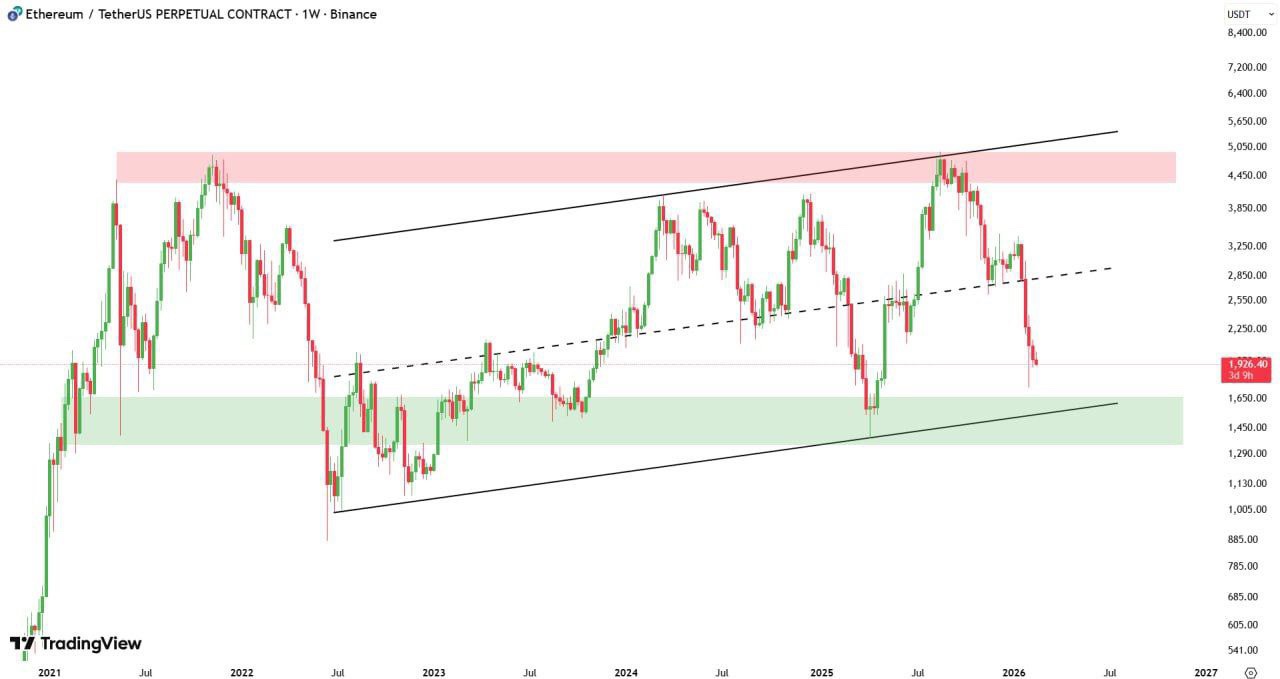
On the weekly timeframe, has slipped below its mid-range trendline, a potential structural shift. Price is now retracing into the 1,500–1,700 support zone, a key reaction area. Momentum is cooling. This level likely decides whether Ethereum stabilizes for another leg up or transitions into a deeper correction Does this level provide the base for another push higher, or is a deeper correction starting to unfold? $ETHUSDT